Genomcore at JISA 2026: from the clinical guideline in PDF to the agent-assisted workflow
Miquel A. Bru, Co-founder and CBDO, coordinated with Carlos Gallego Pérez a hands-on workshop in which 40 participants turned clinical guidelines in PDF into workflows that can be executed, evaluated and audited.
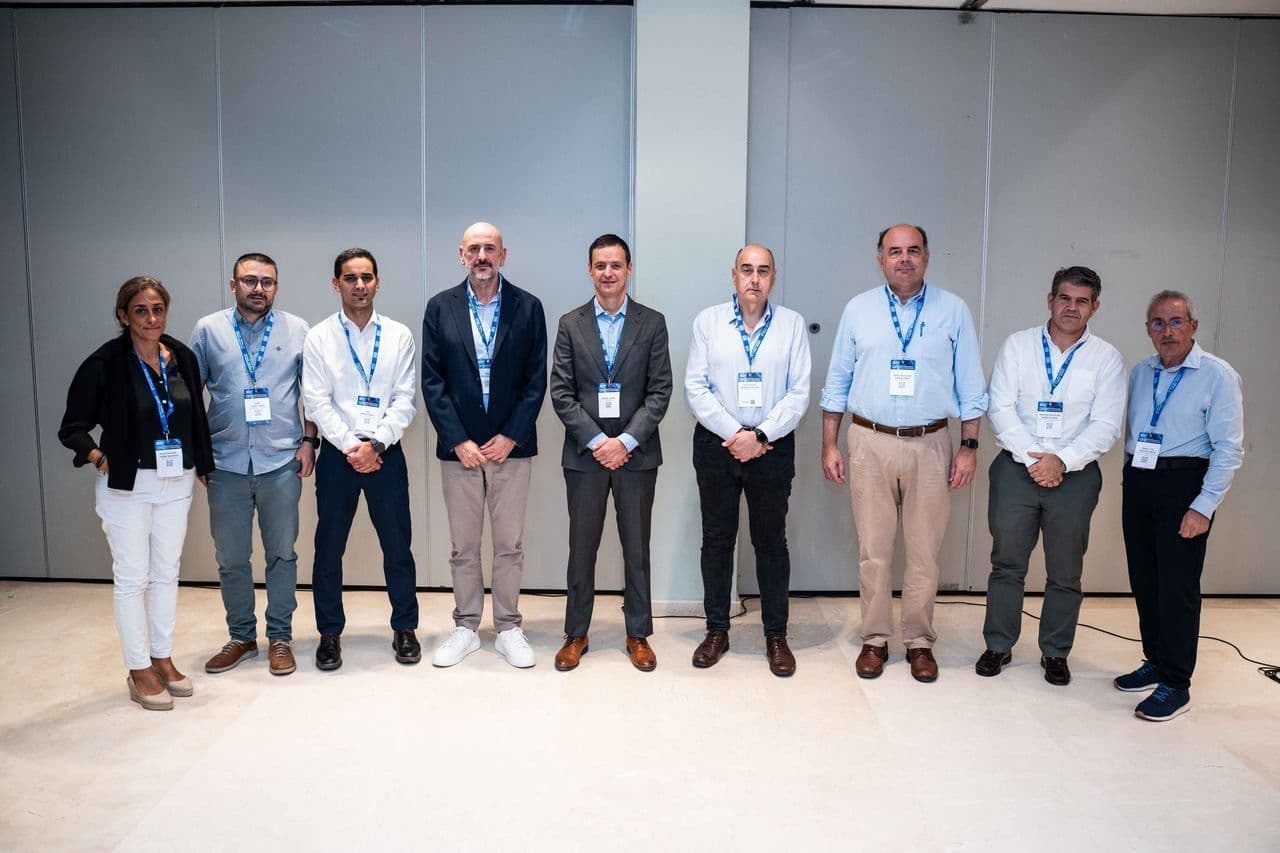
The XXXIII Jornadas Nacionales de Innovación y Salud en Andalucía (JISA 2026) were held from October 21 to 23 at the Hotel Meliá Sol Príncipe in Torremolinos (Málaga), under the motto «Relaciones significativas, decisiones complejas» (meaningful relationships, complex decisions).
Genomcore took part with Workshop 8, «De las guías clínicas en PDF al flujo asistido por agentes» (from clinical guidelines in PDF to the agent-assisted workflow), coordinated by Miquel A. Bru and Carlos Gallego Pérez, Director of Digital Health at the Catalan Health System. The session, held on Thursday, October 22, from 12:00 to 14:00, brought together 40 participants.
Clinical guidelines live in PDF, get printed and filed, and no system executes them. The workshop focused on going from the guideline to a workflow that can be executed, evaluated and audited.
From the PDF guideline to an executable workflow
Each table brought together clinical, systems and management profiles, and worked with one guideline, its own or an example, in two rounds. In the first, teams created an agent that decides by reading the guideline. In the second, agents generated the form and the decision tree of a deterministic workflow, which each table reviewed and corrected before evaluating the same cases.
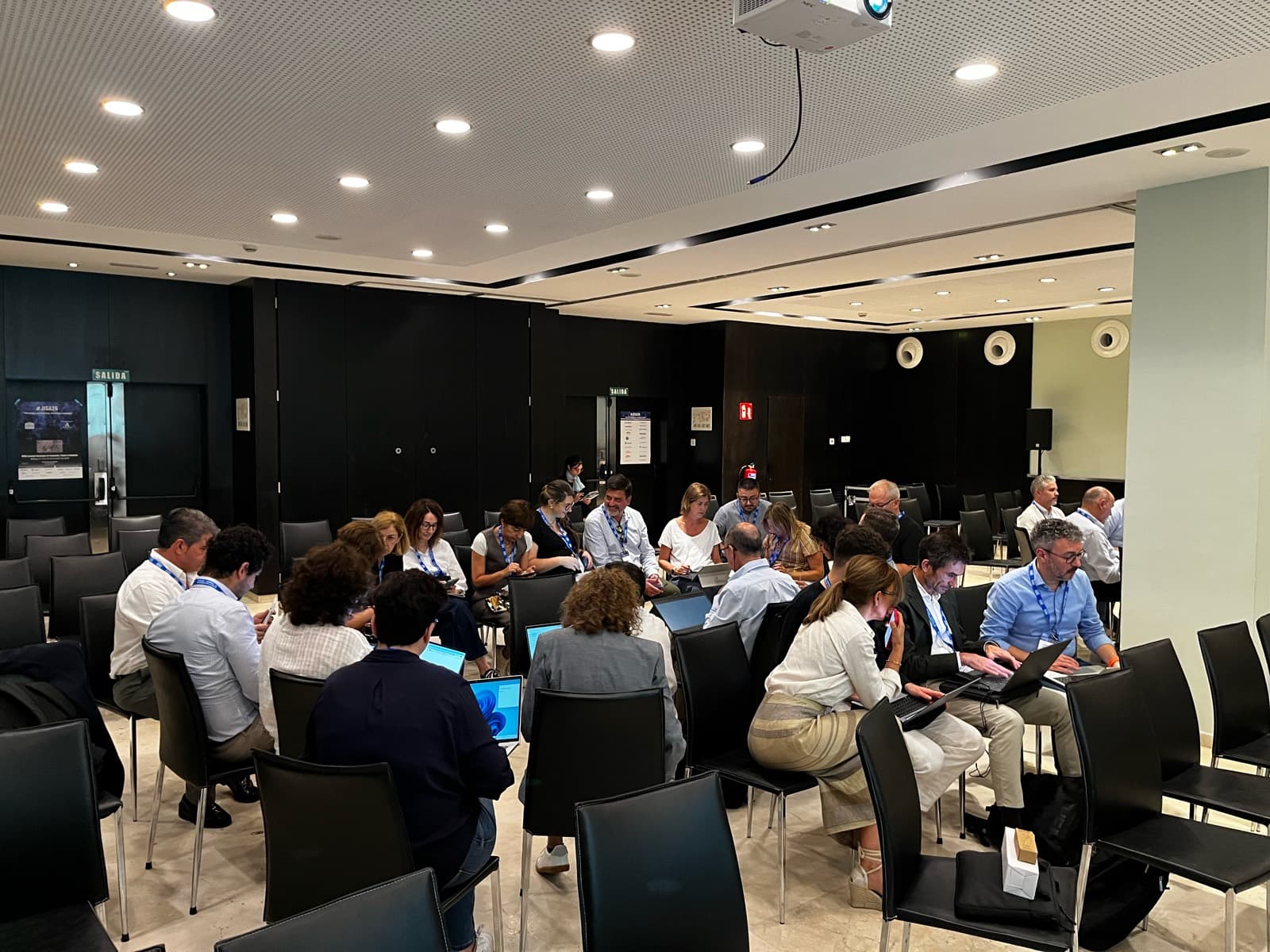
During the session, attendees brought in 35 guidelines of their own and created 16 agents (not counting the example ones) and 23 workflows, 18 of them generated with an agent. Generating a workflow took a median of 1.8 minutes. There were 105 evaluations with an agent and 29 with a workflow.
Conclusions
The workshop showed that many clinical and administrative processes could be accelerated, provided they started from guidelines that were agreed upon and ready to be automated. Moreover, a workflow proved more intuitive and easier to create than an agent. Agents were more useful for consulting and building, while workflows were more useful for automating.
Traceability extends to creation as well, covering not only each decision but also who creates agents and workflows, and how. With a workflow, automation stops being a black box, because the same case always gives the same answer and every decision is linked to the rule in the guideline.
It concluded that artificial intelligence in healthcare must be integrated by combining automation, standardization, transparency and human oversight, with the professional always present in the decision, in order to achieve reliable, safe and applicable solutions.